
Plasma Polishing Machine Specs: A Buyer's Guide to Parameters & Process Quality
Decoding Plasma Polishing Machine Specifications: How Manufacturing Precision Impacts Quality & Performance
When sourcing a plasma polishing machine, procurement professionals often face a dense datasheet filled with numbers—power rating, output current, gas pressure, tank dimensions. Which parameters truly matter? And more importantly, how does the manufacturing process behind the machine affect its real-world reliability and surface finish consistency? This guide answers both questions, helping industrial buyers decode technical specifications and evaluate supplier craftsmanship.
Why Technical Parameters Alone Are Not Enough
Many buyers compare plasma polishing machine price lists and spec sheets side-by-side, only to discover later that a seemingly identical model delivers inconsistent deburring rates, higher energy consumption, or frequent downtime. The root cause often lies not in the published numbers, but in the manufacturing process—the quality of the stainless steel tank, the precision of the control system, the integrity of the wiring, and the adherence to safety standards. Understanding both the technical parameters and the production craftsmanship is essential for making a sound capital investment.
Industry Context: Plasma Polishing in High-Value Manufacturing
Plasma polishing and deburring technology is now a standard process for achieving mirror-like finishes on complex metal parts across industries: medical devices, 3D printed implants, jewelry, aerospace, and 3C electronics. Dongguan Bayi Automation Equipment Co., Ltd (brand: BAYI) has been at the forefront of this technology since 2017, with core technical members accumulating 17 years of R&D and manufacturing experience. Their product line includes standard models (100A, 300A, 500A, 800A) and custom high-current units (1000–2500A) tailored to specific workpiece geometries.
Step 1: Decoding the Key Technical Parameters
Every plasma polishing machine datasheet includes these critical specs. Here’s what they actually mean for your production:
| Parameter | Example (BAYI BY-100A) | Why It Matters |
|---|---|---|
| Power | 30 KW | Determines processing speed and maximum workpiece complexity. Higher power enables faster cycle times for large parts. |
| Max Output Current | 100 A | Directly affects deburring intensity and the ability to handle thick burrs or hardened materials. Current rating must match part material and geometry. |
| Input Power Supply | Three-phase five-wire 380V | Ensures stable operation in industrial environments. Incompatible power supply can cause erratic plasma behavior. |
| Gas Source | 0.5–0.8 MPa | Controls plasma arc stability. Too low pressure leads to weak discharge; too high can damage delicate surfaces. |
| Machine Size | 1150x1200x1800 mm | Determines floor space requirement and maximum hanging fixture capacity. |
| Available Hanger Space | 360x260x200 mm | Limits the maximum workpiece dimensions that can be processed in a single batch. |
| Material of Inner Groove / Body | 316L stainless steel | Corrosion resistance and durability. 316L is essential for medical and food-grade applications. |
Pro tip: A plasma polishing machine with a “deburring rate ≥ 99.9%” claim should be verified with sample testing. BAYI offers pre-shipment mechanical test reports and video factory inspections to validate actual performance.
Step 2: How Manufacturing Process Determines Machine Quality
Beyond the numbers, the way a plasma polishing machine is built determines its long-term reliability, maintainability, and safety. Here are five manufacturing aspects every buyer should examine:
2.1 Tank and Electrode Fabrication
High-quality machines, like the BAYI models, use 316L stainless steel for the inner groove and body. This material resists chemical corrosion from electrolytes and high-temperature plasma, preventing contamination of the workpiece. Welds should be smooth and free of porosity to avoid electrolyte leakage.
2.2 Control System Integration
A fully automatic control system with programmable logic controllers (PLCs) ensures consistent cycle execution. BAYI’s machines feature an “Easy To Operate” interface and support automatic timed settings. Poorly integrated controllers may cause voltage fluctuations that reduce deburring uniformity.
2.3 Wiring and Power Cabinet Construction
The power cabinet (e.g., 850x600x1500mm for BY-100A) should have properly rated cables, clear labeling, and thermal management. BAYI’s units comply with CE certification (Cert. No. 3N240806.DBAQC99), which mandates adherence to Low Voltage Directive 2014/35/EU and EMC Directive 2014/30/EU.
2.4 Safety and Certification
Buyers should verify that the plasma polishing machine meets relevant machinery directives. BAYI’s CE certificate covers EN ISO 12100:2010 (machine safety) and EN 60204-1:2018 (electrical equipment), providing assurance of safe operation.
2.5 Pre-Shipment Testing and Quality Control
Reputable manufacturers conduct 100% test on every unit before shipment. BAYI offers video factory inspection and mechanical test reports, allowing buyers to witness real performance on their own sample parts.
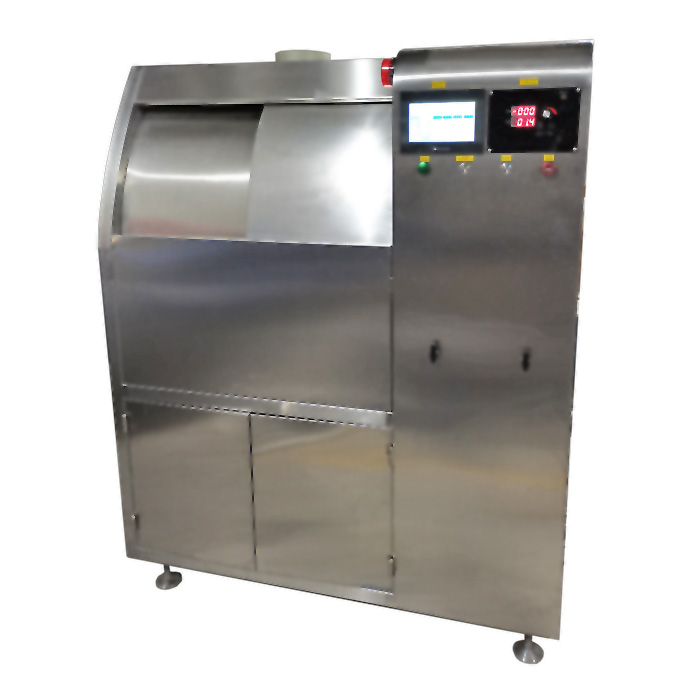
BAYI BY-100A plasma polishing machine – built with high-quality 316L stainless steel and CE-certified electrical components.
Step 3: A Step-by-Step Approach to Evaluating Suppliers
- Request a detailed spec sheet – including power, current, gas pressure, tank material, and control system type.
- Ask for manufacturing process documentation – e.g., welding certifications, wiring diagrams, quality control checkpoints.
- Verify certifications – CE, ISO, or other relevant marks. Check the certificate number with the issuing body.
- Perform sample testing – send representative parts to the supplier for trial processing. Evaluate deburring rate (≥99.9% claimed) and surface finish.
- Inspect after-sales support – BAYI provides 1-year warranty, video technical support, and remote assistance. Lead time is 30–45 days with MOQ of 1 unit.
Real-World Applications and Proven Results
Medical Device & 3D Printing
BAYI’s metal plasma polishing machine (BY-100A) is widely used for polishing and deburring medical implants, 3D printed dentures, and precision components. The 360° no-turn hanger capability allows complex geometries to be processed without repositioning, significantly reducing labor.
Jewelry and Precious Metals
The jewelry plasma polishing machine (BY-500A) is designed for delicate gold, silver, and platinum items, achieving a bright mirror finish with minimal material loss. Energy-saving and environmentally friendly, it replaces traditional acid-based polishing.
Electronics and Aerospace
Fully automatic models like the BY-1000A handle large batches of 3C electronic housings and aerospace brackets. A long-term customer (Hebei Hengxin) has been using BAYI equipment for 7 years for processing electronic accessories, with stable operation and minimal downtime.
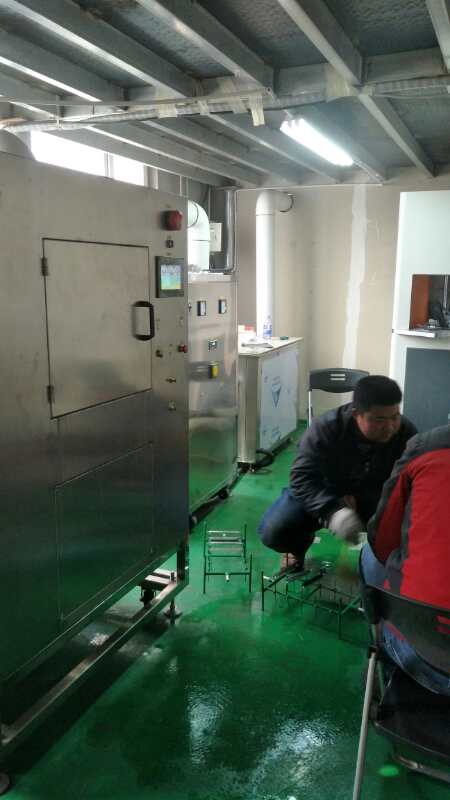
Case: Hebei Hengxin has used BAYI plasma polishing machines for 7 years with stable operation and on-site guidance support.
Frequently Asked Questions
Q: What is the difference between a plasma polishing machine and a traditional polishing machine?
A: A plasma polishing machine uses electrical discharge in an electrolyte bath to achieve 360° deburring and polishing without mechanical contact. Unlike traditional rotary polishing, it can reach internal cavities and complex surfaces, and requires no turning of the hanger during the cycle. This results in significantly lower labor costs and faster cycle times.
Q: How do I choose the right current rating (100A vs 500A vs 800A)?
A: Current rating determines the maximum energy delivered to the workpiece. For small, delicate parts (e.g., jewelry, dental implants), 100A is sufficient. For larger metal parts with thick burrs, 500A or 800A is recommended. BAYI offers models from 100A to 2500A, and their engineers can recommend based on your part size, material, and production volume.
Q: Why is CE certification important for a plasma polishing machine?
A: CE certification indicates compliance with EU safety, low voltage, and electromagnetic compatibility directives. It ensures the machine is designed with proper insulation, emergency stops, EMC shielding, and documentation. Buyers in regulated industries (medical, aerospace) should only source CE-certified machines to avoid liability.
Q: What maintenance is required for a plasma polishing machine?
A: Regular maintenance includes cleaning the electrolyte tank, inspecting electrodes for wear, and removing accumulated ash layers. BAYI provides an instruction manual with a maintenance schedule. The machine should be dusted regularly to prevent debris from affecting the plasma arc.
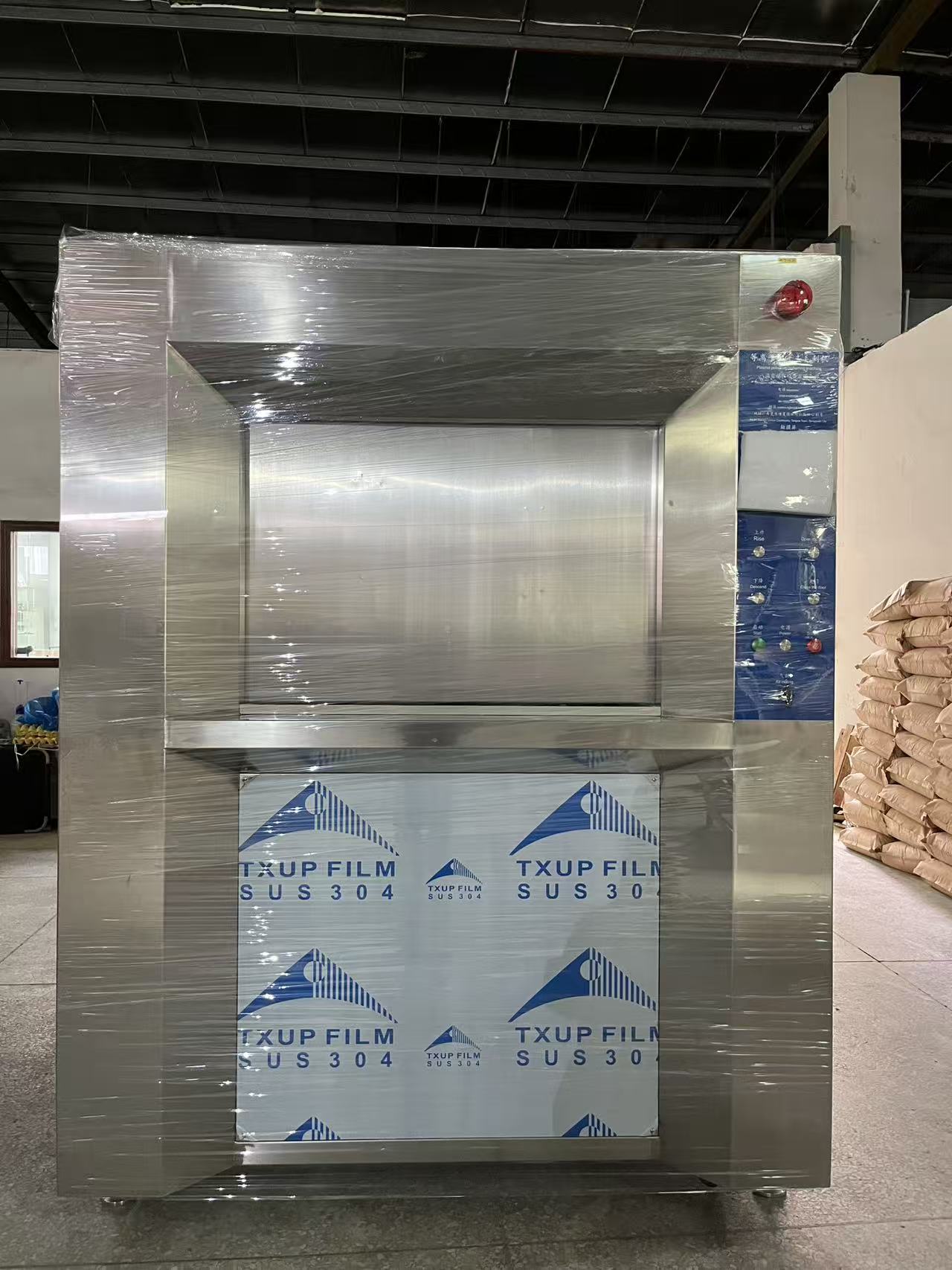
Q: Can the machine process 3D printed parts directly?
A: Yes. BAYI’s 3D printing plasma burring equipment is customized for different 3D printing materials (metal, resin, etc.). The system can be set automatically at regular intervals, and is often paired with a dusting & fume extraction system and workpiece handling positioning system.
Conclusion: Making an Informed Procurement Decision
Decoding plasma polishing machine specifications is only half the battle. To ensure long-term reliability and consistent deburring quality, buyers must also evaluate the manufacturing process, material choices, certifications, and after-sales support. Suppliers like Dongguan Bayi Automation Equipment Co., Ltd combine 17 years of engineering experience with CE-certified production, 100% testing, and client-specific customization. By applying the step-by-step framework outlined in this guide, procurement professionals can confidently select a machine that meets both their technical requirements and quality expectations.
Download the BAYI product brochure for detailed specifications and case studies:
BAYI Plasma Polishing Machine Brochure (PDF)
Have Questions or Need More Details?
Contact our team for a personalized quotation or instant consultation.
Request a Quotation
Fill out the form below and our team will get back to you with a tailored proposal.
WhatsApp Direct Chat
Prefer to chat in real-time? Message us on WhatsApp for instant assistance & quick answers.
- Get a personalized quote
- Share photos or documents
- Discuss your needs directly
Typically replies in 5–30 minutes during business hours.