
Chinese vs. International Plasma Polishing Machines: A Comparative Procurement Guide for Industrial Buyers (2026)
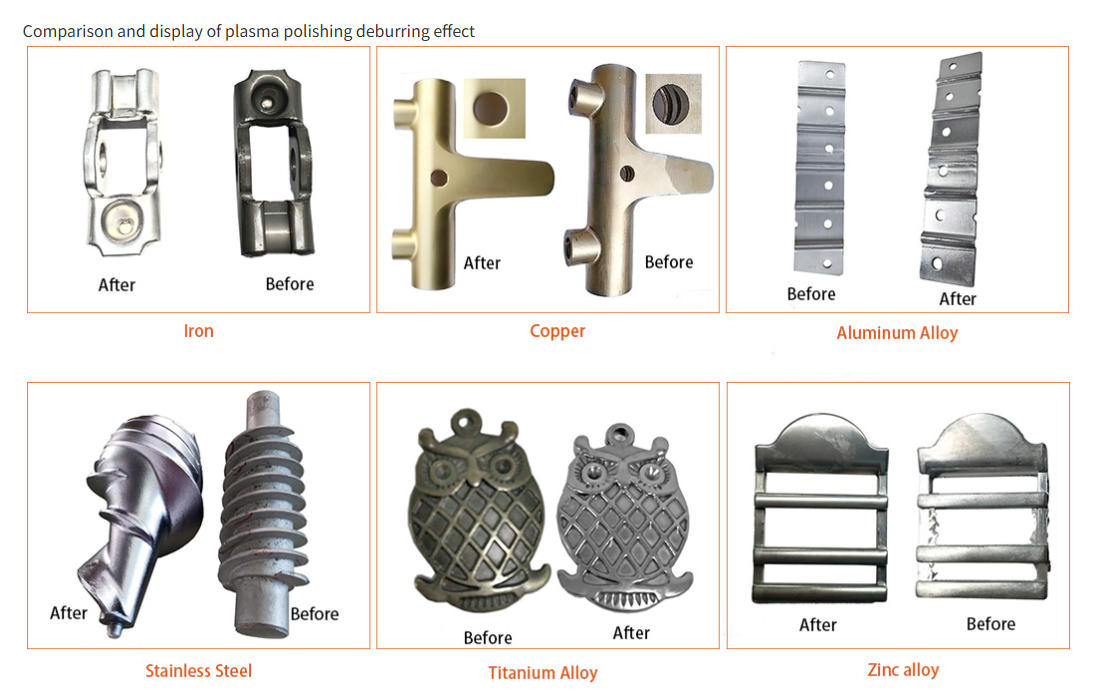
1. Product Comparison: Plasma Polishing Machine vs. Traditional Polishing Machine
Technical Parameters
A standard plasma polishing machine such as the BY-800A (from Dongguan Bayi Automation Equipment Co., Ltd) operates with a maximum output current of 800A, a three-phase five-wire 380V input, and a machine size of 1150x1200x1800mm. Traditional mechanical polishing machines generally use rotating abrasive wheels or belts and require manual intervention for complex geometries. Plasma technology eliminates physical contact, enabling processing at any 360° angle without needing to turn the hanger out during the polishing process.
Applicable Scenarios
The BY-800A plasma polishing machine is designed for medical care, confidential processing, 3D printed dentures, and precious metal and gold jewelry. Traditional polishing machines are more commonly used for general metal finishing where surface roughness requirements are less stringent and part geometries are simpler. Plasma processing also handles internal grooves and intricate 3D-printed structures that traditional methods cannot reach without damaging the part.
Cost
Plasma polishing machines offer significant reductions in labor costs because the process can be fully automated and requires minimal operator supervision. Additionally, energy consumption is optimized: the equipment is ready to use immediately and does not waste energy under no-load conditions. Traditional polishing machines often consume power continuously and involve higher labor costs due to manual handling and frequent consumable replacement. A cost advantage is realized through lower overall operating expenses.
Maintenance Difficulty
Plasma polishing machines have a longer service life and extremely short maintenance downtime compared to traditional equipment. The absence of abrasive wear reduces the frequency of component replacement. Maintenance primarily involves periodic cleaning of the electrolyte tank and electrode inspection. Traditional machines require regular replacement of abrasive belts, wheels, and polishing compounds, leading to higher consumable costs and more frequent downtime.
2. Supplier Comparison: Chinese Factory vs. International Brands
| Criteria | Chinese Factory (e.g., Bayi) | International Brand (e.g., Rösler / OTEC) |
|---|---|---|
| Price | Generally 40–60% lower for equivalent specifications. Entry-level models start under $15,000. | Premium pricing, often 2–3× higher due to brand, R&D overhead, and import tariffs. |
| Customization | High flexibility. Bayi offers customized solutions such as tape-type, long-tube, and chain-type plasma equipment. MOQ is only 1 unit. | Limited customization; standard models with long lead times for modifications. |
| Delivery Time | 30–45 days for standard machines; 60–90 days for custom designs. | Typically 12–16 weeks due to overseas manufacturing and logistics. |
| After-Sales Support | Remote video technical support; 1-year warranty with out-of-warranty video assistance. Limited local service network abroad. | Established global service centers; faster on-site response but higher service fees. |
* International brand comparison is based on publicly available industry reports and typical quoted terms for similar-capacity equipment.
3. Decision Model: 3-Step Method for Selecting a Plasma Polishing Solution
Step 1: Define the Use Scenario
Identify the materials (stainless steel, titanium, gold, 3D-printed polymers), production volume, and required surface finish. Plasma polishing excels for complex geometries and high-value parts where precision deburring and ultra-fine surface quality are critical. Traditional polishing may suffice for simple flat surfaces with low throughput.
Step 2: Match Technical Parameters
Compare machine specifications (current output, tank size, automation level) with your part dimensions and deburring needs. For example, Bayi offers models from 100A to 2500A to accommodate small jewelry pieces up to large aerospace components. Ensure the equipment supports your material type – the BY-800A, for instance, is built with an inner groove main body of 316L stainless steel for corrosion resistance.
Step 3: Calculate Total Cost of Ownership
Include purchase price, installation, energy consumption, labor costs, consumables, and maintenance. Plasma machines reduce labor costs by up to 70% compared to manual polishing and eliminate abrasive consumables. Though the initial investment may be higher than a traditional polisher, the payback period typically falls within 12–18 months for medium-to-high volume production.
4. Case Study: Hebei Hengxin Chooses Chinese Supplier for Stable Operation
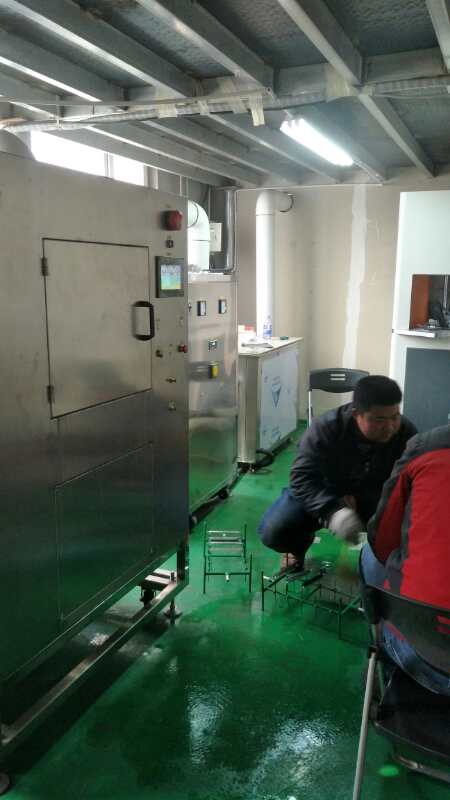
Hebei Hengxin, a Chinese manufacturer of electronic accessories, needed a reliable deburring solution for high-volume production. After evaluating imported systems from international brands, they selected two units of Dongguan Bayi Automation’s plasma polishing machines. Key factors in their decision were the competitive price, the ability to customize the equipment for their specific part geometry, and the 30-day delivery promise.
The machines have been in stable operation for over 7 years, processing thousands of parts per day with consistent quality. Bayi provided on-site installation guidance and remote technical support whenever needed. The total cost of ownership was significantly lower than comparable imported equipment, validating the buyer’s decision to source from a Chinese supplier.
5. Conclusion
For industrial buyers seeking plasma polishing machines, Chinese manufacturers like Dongguan Bayi Automation Equipment Co., Ltd (established 2017, with 17 years of combined technical experience) offer a compelling balance of affordability, customization, and rapid delivery. While international brands provide broader global support networks, the lower upfront cost and faster ROI of Chinese equipment make it a strong candidate for most precision deburring applications, particularly in medical devices, jewelry, and 3D printing post-processing.
Brochure: For detailed specifications and factory information, download the company brochure: https://cdn.socialarks.com/sbsp/24726/0/2026/0407/69d4b97a7df44.pdf
Have Questions or Need More Details?
Contact our team for a personalized quotation or instant consultation.
Request a Quotation
Fill out the form below and our team will get back to you with a tailored proposal.
WhatsApp Direct Chat
Prefer to chat in real-time? Message us on WhatsApp for instant assistance & quick answers.
- Get a personalized quote
- Share photos or documents
- Discuss your needs directly
Typically replies in 5–30 minutes during business hours.