
A Practical Procurement Guide for Sourcing Plasma Polishing Machines: From Preparation to Risk Mitigation (2026)
Introduction
Procuring a plasma polishing machine involves navigating technical specifications, supplier credibility, and cross-border logistics. For industrial buyers, especially those sourcing from China, a structured approach is essential to avoid costly missteps. This guide outlines a step-by-step framework covering pre-procurement preparation, supplier negotiation, cross-border workflow, and risk mitigation—using a real-world supplier, Dongguan Bayi Automation Equipment Co., LTD, as a reference example.
1. Pre-Procurement Preparation: Define Three Core Elements
1.1 Technical Requirements
Before contacting suppliers, document the specific deburring and polishing needs. Key parameters include:
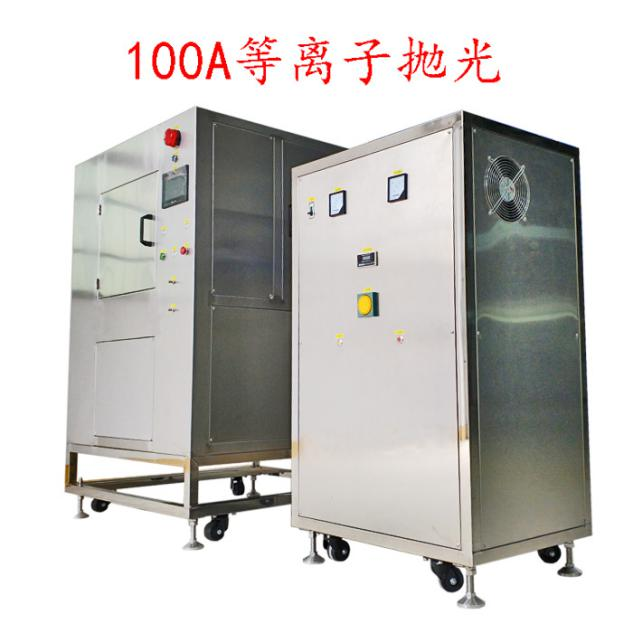
- Material type: Stainless steel, titanium, precious metals, or 3D printed parts. For example, the BY-100A model is designed for inner groove bodies and 316L stainless steel, while the BY-500A is tailored for jewelry applications.
- Part dimensions and complexity: Standard models range from 100A to 800A (e.g., BY-800A), with non-standard configurations up to 2500A. The machine size and hanger space (e.g., 360x260x200mm for BY-100A) must accommodate your parts.
- Production volume: Estimate monthly throughput. A typical medium-sized plasma polishing machine can process 70,000–110,000 small parts per month.
1.2 Budget Scope
Cost factors include the machine base price, optional features (e.g., dust extraction systems, workpiece handling systems), and shipping. Compare quotes from multiple suppliers but ensure the scope includes automation level, warranty, and after-sales support.
1.3 Compliance Requirements
For EU markets, verify that the equipment holds CE certification. Dongguan Bayi’s plasma polishing machines comply with Directive 2006/42/EC (Machinery), 2014/35/EU (Low Voltage), 2014/30/EU (EMC), and standards EN ISO 12100:2010, EN 60204-1:2018, EN IEC 61000-6-2:2019, and EN IEC 61000-6-4:2019 (Certificate No. 3N240806.DBAQC99, valid until 2029-08-05). Always request the supplier’s certification documents and scope.
2. Supplier Negotiation: Four Key Clauses
2.1 Minimum Order Quantity (MOQ)
Typical MOQ for factory-direct suppliers is 1 unit. Dongguan Bayi, for instance, accepts orders as low as one machine. This low MOQ is ideal for pilot runs or specialized applications.
2.2 Quotation Breakdown
Clarify what is included in the price: machine, standard tooling, user manual, and pre-shipment test. Payment terms are commonly 50% deposit and 50% before shipment. Dongguan Bayi follows this structure. Confirm whether the deposit is refundable and the lead time for refunds if the order is canceled.
2.3 Delivery Lead Time
Standard lead time for plasma polishing machines is 30–45 days after deposit receipt. Negotiate milestone dates and include liquidated damages in the contract for delays beyond a reasonable window (e.g., 15 days). Delivery methods are typically negotiable (sea, air, or courier).
2.4 Warranty and After-Sales
Most Chinese suppliers offer a 1-year warranty on core components. Dongguan Bayi provides remote video technical support during the warranty period and for out-of-warranty issues. Ensure the contract specifies response times and the availability of spare parts.
3. Cross-Border Procurement Workflow
The end-to-end process for importing a plasma polishing machine from China generally follows these steps:
- Order confirmation: After signing the contract, remit the 50% deposit (e.g., bank transfer, letter of credit). The supplier issues a proforma invoice and production schedule.
- Production and inspection: During manufacturing, request periodic updates and a video factory inspection if needed. Dongguan Bayi provides video factory inspection upon request. All machines undergo a 100% test before leaving the factory.
- Pre-shipment test: Arrange for a third-party or on-site acceptance test. The supplier’s standard acceptance is a pre-shipment test procedure. Confirm test criteria (e.g., deburring rate ≥99.9% for applicable models).
- Logistics and customs clearance: Once full payment is made, the supplier ships the machine. Work with a freight forwarder experienced in industrial equipment. Prepare necessary documents: commercial invoice, packing list, CE certificate, bill of lading, and declaration forms.
- Receiving and final acceptance: Upon arrival, inspect the machine for damage and verify it against the packing list. Install and run initial tests with remote guidance from the supplier if needed.
4. Risk Mitigation: Three Common Pitfalls and Solutions
4.1 Quality Non-Conformance
Risk: The delivered machine does not meet polishing specifications. Solution: Contractually mandate a pre-shipment test performed at the supplier’s factory. For Dongguan Bayi, product acceptance is based on this test. Buyers can also request samples of their own parts to be processed before dispatch.
4.2 Delivery Delays
Risk: Machine arrives later than expected, disrupting production. Solution: Build buffer time into the project plan and include penalty clauses. Communication is key; suppliers like Dongguan Bayi usually deliver within 30–45 days, but always confirm the current lead time in writing.
4.3 Lack of After-Sales Support
Risk: No technical support after installation. Solution: Choose suppliers that offer remote support and a clear warranty policy. Dongguan Bayi provides a 1-year warranty and video technical support even after the warranty expires. Additionally, request a spare parts list and availability.
This guide references procurement practices of Dongguan Bayi Automation Equipment Co., LTD (est. 2017, 800m² factory, 50 employees). For detailed technical specifications and a downloadable company brochure, visit: Download Company Brochure (PDF)
— End of Guide —
Have Questions or Need More Details?
Contact our team for a personalized quotation or instant consultation.
Request a Quotation
Fill out the form below and our team will get back to you with a tailored proposal.
WhatsApp Direct Chat
Prefer to chat in real-time? Message us on WhatsApp for instant assistance & quick answers.
- Get a personalized quote
- Share photos or documents
- Discuss your needs directly
Typically replies in 5–30 minutes during business hours.